
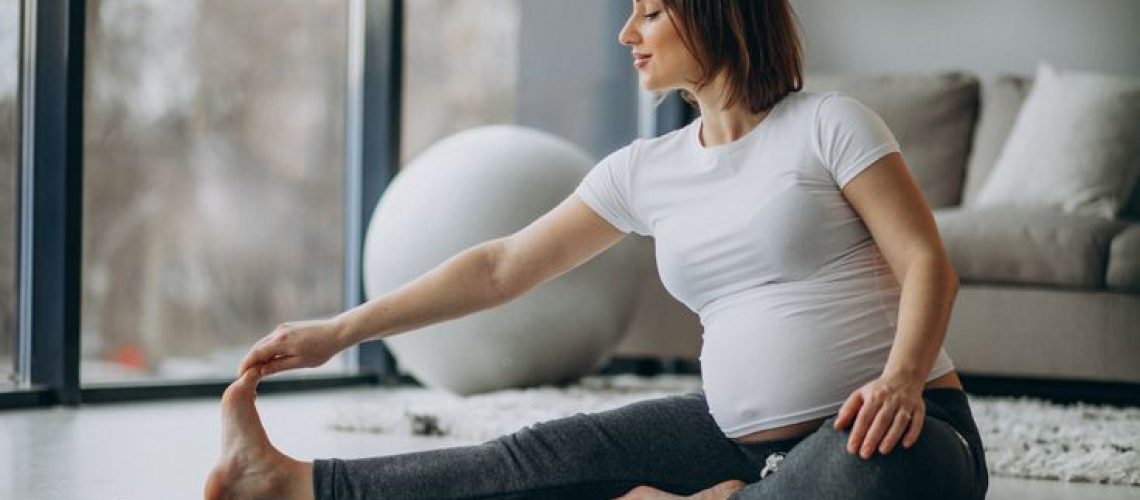
Staying active during pregnancy is one of the best ways to support both maternal health and baby development. Many women wonder about Exercise During Pregnancy: What’s Safe? because they want to stay fit without risking their pregnancy. The good news is that, in most healthy pregnancies, regular exercise is not only safe but highly beneficial.
Exercise helps improve strength, reduce discomfort, boost mood, and prepare the body for labor and delivery. However, it is important to choose safe activities and understand which exercises should be avoided during pregnancy.
Benefits of Exercise During Pregnancy
Regular physical activity during pregnancy offers many health benefits for both mother and baby. It improves blood circulation, supports healthy weight gain, and helps reduce common pregnancy discomforts.
Benefits include:
- Reduced back pain
- Less swelling
- Improved posture
- Better sleep quality
- Lower stress and anxiety
- Reduced risk of gestational diabetes
- Improved stamina for labor
- Faster postpartum recovery
Understanding Exercise During Pregnancy: What’s Safe? starts with knowing that movement can support a healthier and more comfortable pregnancy.
Safe Exercises During Pregnancy
Not all exercises are suitable during pregnancy, but many low-impact activities are highly recommended.
Walking
Walking is one of the safest and easiest exercises during pregnancy. It improves cardiovascular health without putting too much pressure on the joints.
Swimming
Swimming supports the body while reducing strain on muscles and joints. It also helps reduce swelling and improves flexibility.
Prenatal Yoga
Prenatal yoga improves flexibility, breathing, and relaxation. It can also help reduce back pain and improve emotional well-being.
Stationary Cycling
Cycling on a stationary bike is safer than outdoor cycling because it reduces the risk of falling while still offering good cardiovascular benefits.
Light Strength Training
Using light weights under professional guidance can help maintain muscle strength and improve posture.
Pelvic Floor Exercises
Kegel exercises strengthen pelvic muscles, helping prepare for childbirth and reducing urinary leakage.
These are some of the safest options when discussing Exercise During Pregnancy: What’s Safe?
Exercises to Avoid During Pregnancy
Some physical activities carry higher risks and should be avoided, especially as pregnancy progresses.
Avoid:
- Contact sports
- High-impact jumping exercises
- Heavy weightlifting
- Activities with a high risk of falling
- Hot yoga or overheating exercises
- Scuba diving
- Exercises lying flat on the back after the first trimester
- Intense abdominal workouts
These activities may increase the risk of injury, overheating, or reduced blood flow to the baby.
Important Safety Tips
Before starting or continuing any workout routine, always consult your doctor, especially if you have a high-risk pregnancy.
Helpful safety tips include:
Stay Hydrated
Drink plenty of water before, during, and after exercise to prevent dehydration.
Avoid Overheating
Exercise in a cool, well-ventilated environment and avoid very hot weather.
Listen to Your Body
Pregnancy is not the time for extreme fitness goals. Stop if you feel tired, dizzy, short of breath, or uncomfortable.
Wear Comfortable Clothing
Supportive shoes and breathable clothing help prevent strain and overheating.
Eat Properly
Good nutrition supports both exercise and pregnancy health.
Following these steps helps answer the question of Exercise During Pregnancy: What’s Safe? more effectively.
Warning Signs to Stop Exercising
Exercise should be stopped immediately if you experience:
- Vaginal bleeding
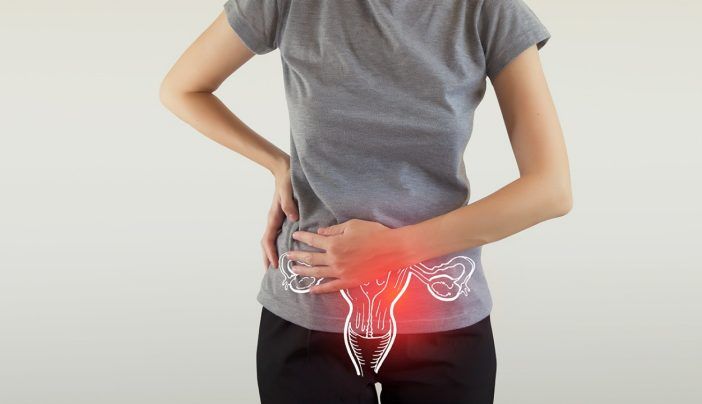
- Severe abdominal pain
- Chest pain
- Dizziness or fainting
- Shortness of breath before exercise
- Painful contractions
- Reduced baby movement
- Fluid leakage
- Severe headache
These symptoms require immediate medical attention.
Exercise by Trimester
First Trimester
Fatigue and nausea are common, so gentle activities like walking and stretching are ideal.
Second Trimester
Energy often improves, making it a good time for swimming, yoga, and light strength training.
Third Trimester
Focus on comfort, flexibility, and pelvic floor support. Avoid balance-challenging activities as the body becomes heavier.
Understanding each stage helps guide safer exercise choices throughout pregnancy.
Mental Health Benefits
Exercise also supports emotional well-being during pregnancy. Hormonal changes can affect mood, and regular physical activity helps reduce stress, anxiety, and emotional tension.
Even short daily walks can improve mental clarity and create a sense of calm during pregnancy.
When Exercise May Not Be Safe
Some women may need to limit physical activity if they have:
- Placenta previa
- Severe anemia
- Cervical weakness
- Preterm labor risk
- Severe heart or lung conditions
- Pregnancy-induced high blood pressure
- Multiple pregnancy with complications
In these cases, medical supervision is essential.
Dr. Shifa Al Ahmad is a highly experienced specialist in obstetrics and gynecology, with a dedicated focus on non-surgical feminine aesthetic treatments. With a patient-centered approach and advanced clinical expertise, she provides safe, modern, and effective solutions tailored to women at every stage of life. From addressing postpartum changes to supporting women through menopause, her treatments are designed to restore confidence, comfort, and intimate well-being. For those seeking professional guidance and personalized care,
booking a consultation through her official website ensures a supportive and results-driven experience.

No comment yet, add your voice below!