
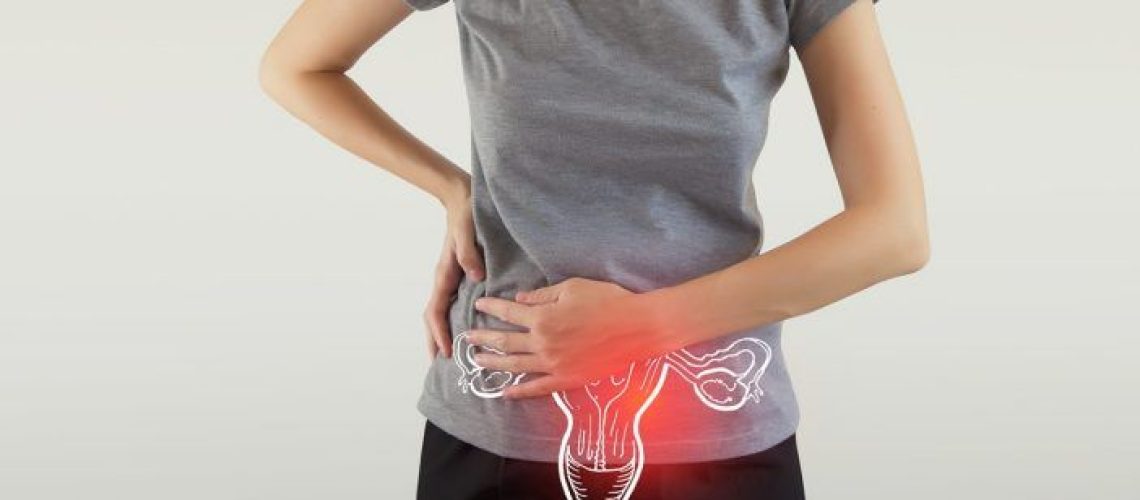
Hormones play a major role in maintaining vaginal health throughout every stage of a woman’s life. From puberty to pregnancy and menopause, hormonal changes directly affect vaginal moisture, elasticity, pH balance, and overall comfort. Understanding the Impact of Hormones on Vaginal Health helps women recognize symptoms early and seek the right care for better reproductive wellness.
Hormonal fluctuations are natural, but when hormone levels become imbalanced, they can lead to dryness, irritation, infections, discomfort during intimacy, and other gynecological concerns. Knowing how hormones influence vaginal health is essential for maintaining comfort and confidence.
How Hormones Support Vaginal Health
The main hormones involved in vaginal health include:
- Estrogen
- Progesterone
- Testosterone
- Thyroid hormones
- Cortisol
Among these, estrogen plays the most important role. It helps maintain the thickness, elasticity, and natural lubrication of vaginal tissues. It also supports healthy blood flow and balances vaginal pH, which protects against infections.
Understanding the Impact of Hormones on Vaginal Health starts with recognizing how these hormones work together.
Estrogen and Vaginal Moisture
Estrogen helps keep vaginal tissues soft, flexible, and well-lubricated. When estrogen levels drop, vaginal dryness becomes common.
Low estrogen often occurs during:
- Menopause
- Breastfeeding
- Postpartum recovery
- Certain cancer treatments
- Hormonal disorders
- Surgical removal of ovaries
Vaginal dryness can cause itching, burning, irritation, and pain during intimacy. It may also increase the risk of infections.
Hormonal Changes During Menopause
Menopause is one of the most significant examples of the Impact of Hormones on Vaginal Health. As estrogen levels decline, vaginal tissues become thinner, less elastic, and more sensitive.
This condition is often called vaginal atrophy or genitourinary syndrome of menopause (GSM).
Common symptoms include:
- Dryness
- Burning sensation
- Frequent urinary infections
- Pain during intercourse
- Urinary urgency
- Reduced vaginal elasticity
Proper treatment can greatly improve comfort and quality of life.
Pregnancy and Vaginal Changes
Pregnancy causes major hormonal shifts, especially increased estrogen and progesterone. These changes improve blood flow to the pelvic area and increase vaginal discharge.
While increased discharge is often normal, hormonal changes may also increase the risk of yeast infections or bacterial imbalance.
Understanding these temporary changes helps women manage pregnancy-related discomfort more effectively.
Postpartum Hormonal Effects
After childbirth, hormone levels drop rapidly, especially estrogen. This often causes temporary vaginal dryness, particularly for breastfeeding mothers.
This can lead to discomfort, irritation, and pain during intimacy. Proper postpartum care and medical guidance help support recovery.
Thyroid Hormones and Vaginal Wellness
Thyroid disorders can also affect vaginal health. Hypothyroidism and hyperthyroidism may cause hormonal imbalance that influences libido, lubrication, and menstrual health.
Women with thyroid problems may experience:
- Vaginal dryness
- Reduced sexual comfort
- Irregular periods
- Low energy
- Mood changes
This shows how broader hormonal health contributes to vaginal wellness.
Stress Hormones and Vaginal Health
High stress levels increase cortisol production, which can disrupt reproductive hormones and affect vaginal health.
Chronic stress may contribute to:
- Reduced libido
- Vaginal dryness
- Hormonal imbalance
- Increased infection risk
- Menstrual irregularities
Managing stress is an important part of maintaining vaginal and reproductive health.
Signs of Hormonal Imbalance Affecting Vaginal Health
Women should pay attention to symptoms such as:
- Persistent dryness
- Burning or itching
- Pain during intercourse
- Unusual discharge
- Recurrent infections
- Urinary discomfort
- Reduced libido
- Vaginal irritation without infection
These may indicate hormonal imbalance rather than simple infection.
Recognizing these signs supports early treatment of the Impact of Hormones on Vaginal Health.
Treatment Options
Treatment depends on the cause of hormonal imbalance and symptom severity.
Common options include:
Hormone Therapy
Local estrogen creams, tablets, or rings may help restore moisture and elasticity, especially during menopause.
Vaginal Laser Treatments
Modern non-surgical laser treatments help stimulate collagen production and improve vaginal tissue health.
Lifestyle Changes
Healthy diet, exercise, hydration, and stress management support hormonal balance naturally.
Lubricants and Moisturizers
Medical-grade vaginal moisturizers and lubricants can reduce dryness and discomfort.
Managing Underlying Conditions
Treating thyroid disorders, PCOS, or chronic stress improves overall hormonal health.
Preventive Care
Regular gynecological checkups help detect hormonal changes early. Preventive care improves treatment success and supports long-term comfort.
Maintaining intimate hygiene, avoiding harsh products, and staying hydrated also protect vaginal health.
Dr. Shifa Al Ahmad is a highly experienced specialist in obstetrics and gynecology, with a dedicated focus on non-surgical feminine aesthetic treatments. With a patient-centered approach and advanced clinical expertise, she provides safe, modern, and effective solutions tailored to women at every stage of life. From addressing postpartum changes to supporting women through menopause, her treatments are designed to restore confidence, comfort, and intimate well-being. For those seeking professional guidance and personalized care, booking a consultation through her official website ensures a supportive and results-driven experience.


No comment yet, add your voice below!