

Women’s health is a lifelong journey that changes with age, hormones, lifestyle, and environmental factors. Understanding women’s health at every age allows for better prevention, early diagnosis, and improved quality of life. Each stage—from adolescence to post-menopause—comes with unique physical, emotional, and reproductive health needs that require awareness and proper care.
Adolescence (Ages 10–19)
Adolescence is the foundation of a woman’s health journey. During this stage, the body undergoes significant hormonal changes that trigger puberty and reproductive development.
Key Changes
- Onset of menstruation (menarche)
- Development of breasts and body shape
- Rapid physical growth
- Emotional and psychological development
Common Health Concerns
Teenage girls often experience irregular periods as the body adjusts to hormonal cycles. Acne, mood swings, and nutritional deficiencies are also common. In some cases, early signs of hormonal conditions such as Polycystic Ovary Syndrome (PCOS) may appear.
Health Tips
- Maintain a balanced diet rich in iron, calcium, and vitamins
- Encourage regular physical activity
- Educate about menstrual hygiene and reproductive health
- Promote mental well-being and open communication
Establishing healthy habits during adolescence sets the stage for long-term wellness.
Early Adulthood (Ages 20–35)
Early adulthood is often a time of increased independence, career growth, and family planning. Reproductive health becomes a central focus during this phase.
Key Health Focus Areas
- Regular menstrual cycles
- Fertility awareness
- Sexual and reproductive health
Common Health Concerns
Hormonal imbalances, stress, and lifestyle factors can impact overall health. Conditions such as Endometriosis may cause pelvic pain and fertility challenges. Irregular cycles and weight fluctuations are also common.
Health Tips
- Schedule regular gynecological checkups
- Practice safe sex and consider contraception options
- Maintain a healthy weight through diet and exercise
- Manage stress through relaxation techniques
This stage is ideal for building consistent preventive healthcare habits.
Midlife (Ages 36–50)
Midlife brings gradual hormonal changes as the body prepares for menopause. Women may begin to notice shifts in their physical and emotional health.
Key Changes
- Fluctuating estrogen and progesterone levels
- Changes in menstrual patterns
- Decreased fertility
Common Health Concerns
Women in this age group may experience conditions such as Uterine Fibroids or worsening symptoms of existing conditions. There is also an increased risk of metabolic issues, including weight gain and high cholesterol.
Health Tips
- Monitor blood pressure, cholesterol, and blood sugar levels
- Continue regular screenings like Pap smears and mammograms
- Maintain an active lifestyle
- Focus on a nutrient-rich diet
Being proactive during midlife helps reduce the risk of chronic diseases later on.
Menopause and Beyond (Ages 50+)
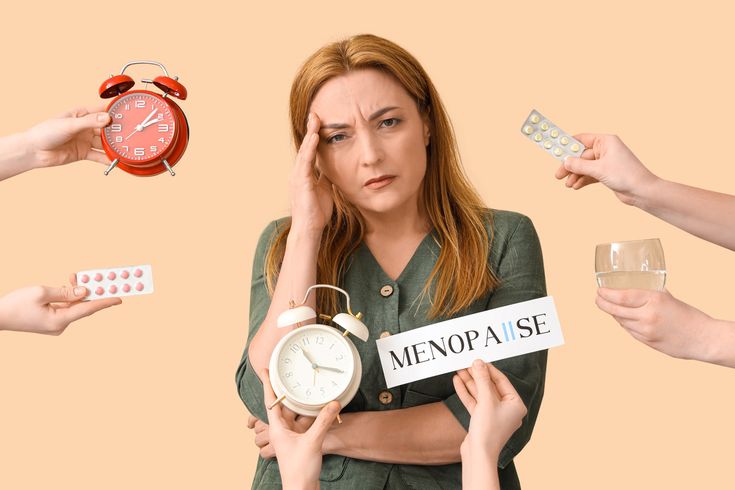
Menopause marks a significant transition in a woman’s life. It is defined as the end of menstrual cycles and is accompanied by a decline in estrogen levels.
Key Changes
- Hot flashes and night sweats
- Mood changes
- Vaginal dryness
- Decreased bone density
Common Health Concerns
The risk of Osteoporosis increases due to reduced estrogen levels. Additionally, women may face a higher likelihood of cardiovascular issues and metabolic disorders.
Health Tips
- Ensure adequate intake of calcium and vitamin D
- Stay physically active with weight-bearing exercises
- Discuss hormone replacement therapy with a healthcare provider if needed
- Continue regular health screenings
With proper care, women can maintain a high quality of life well into their later years.
Mental and Emotional Health Across All Ages
Mental health is an essential component of women’s overall well-being. Hormonal fluctuations, life transitions, and daily stressors can impact emotional health at any stage.
Common Challenges
- Anxiety and depression
- Mood swings
- Stress-related disorders
Solutions
- Practice mindfulness and stress management techniques
- Maintain social connections and support systems
- Seek professional help when necessary
Prioritizing emotional health contributes to a balanced and fulfilling life.
Importance of Preventive Healthcare
Preventive healthcare is crucial at every stage of life. Regular checkups and screenings help detect potential health issues early and ensure timely treatment.
Essential Screenings
- Pap smears and HPV testing
- Breast exams and mammograms
- Blood pressure and diabetes screening
- Bone density tests in later years
Vaccinations and routine medical assessments also play a vital role in disease prevention.
Lifestyle Habits for Lifelong Health
Healthy lifestyle choices significantly influence women’s health across all ages.
Key Practices
- Eat a balanced diet rich in nutrients
- Engage in regular physical activity
- Get adequate sleep
- Avoid smoking and limit alcohol consumption
- Manage stress effectively
Consistency in these habits supports overall well-being and reduces the risk of chronic conditions.
Dr. Shifa Al Ahmad is a highly experienced specialist in obstetrics and gynecology, with a dedicated focus on non-surgical feminine aesthetic treatments. With a patient-centered approach and advanced clinical expertise, she provides safe, modern, and effective solutions tailored to women at every stage of life. From addressing postpartum changes to supporting women through menopause, her treatments are designed to restore confidence, comfort, and intimate well-being. For those seeking professional guidance and personalized care, booking a consultation through her official website ensures a supportive and results-driven experience.

No comment yet, add your voice below!