
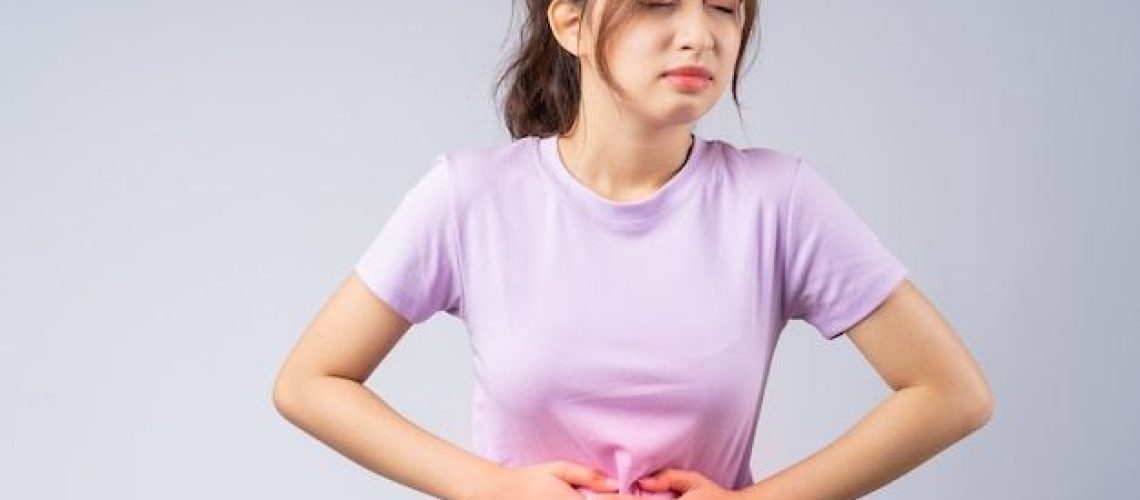
Women’s health covers a wide range of physical, hormonal, and emotional factors that change throughout life. Understanding common women’s health issues and solutions is essential for early detection, proper treatment, and long-term well-being. From hormonal imbalances to reproductive concerns, being informed empowers women to take control of their health.
Hormonal Imbalances
Hormones regulate many body functions, including metabolism, mood, and reproduction. When these hormones are out of balance, it can lead to several health concerns.
Common Issues
- Irregular menstrual cycles
- Mood swings and fatigue
- Weight fluctuations
One of the most common hormonal disorders is Polycystic Ovary Syndrome (PCOS), which can affect ovulation and fertility.
Solutions
- Maintain a balanced diet
- Exercise regularly
- Manage stress effectively
- Seek medical evaluation for hormone therapy if needed
Menstrual Disorders
Menstrual health is a key indicator of overall well-being. Many women experience issues related to their menstrual cycle.
Common Issues
- Heavy or painful periods
- Irregular cycles
- Absence of menstruation
Conditions such as Endometriosis can cause severe pain and affect daily life.
Solutions
- Track menstrual cycles
- Use prescribed medications for pain relief
- Consult a healthcare provider for persistent symptoms
- Consider hormonal treatments if recommended
Reproductive Health Issues
Reproductive health problems can affect fertility and overall quality of life.
Common Issues
- Ovarian cysts
- Uterine fibroids
- Infertility
For example, Uterine Fibroids are non-cancerous growths that can cause discomfort and heavy bleeding.
Solutions
- Regular gynecological checkups
- Early diagnosis through ultrasound
- Lifestyle modifications
- Medical or surgical treatment when necessary
Urinary Tract Infections (UTIs)
Urinary tract infections are common among women due to anatomical factors.
Symptoms
- Burning sensation during urination
- Frequent urge to urinate
- Lower abdominal discomfort
Solutions
- Stay hydrated
- Maintain proper hygiene
- Seek prompt medical treatment
- Avoid delaying urination
Breast Health Concerns
Breast health is an important aspect of women’s wellness.
Common Issues
- Breast pain
- Lumps or cysts
- Risk of Breast Cancer
Solutions
- Perform regular self-examinations
- Schedule routine mammograms
- Consult a doctor if any changes are noticed
Early detection significantly improves treatment outcomes.
Mental Health Challenges
Mental health is closely linked to hormonal and life changes. Women may experience:
- Anxiety
- Depression
- Stress-related disorders
Postpartum women, for example, may face Postpartum Depression.
Solutions
- Practice stress management techniques
- Seek counseling or therapy
- Maintain a strong support system
- Prioritize self-care and rest
Thyroid Disorders
The thyroid gland regulates metabolism, and its dysfunction can affect overall health.
Common Issues
- Hypothyroidism
- Hyperthyroidism
Symptoms
- Fatigue
- Weight changes
- Hair thinning
Solutions
- Regular thyroid function tests
- Medication as prescribed
- Balanced nutrition
Bone Health Issues
Bone density decreases with age, especially after menopause.
Common Issue
- Osteoporosis
Solutions
- Adequate calcium and vitamin D intake
- Weight-bearing exercises
- Regular bone density screenings
Lifestyle-Related Conditions
Modern lifestyles can contribute to various health problems.
Common Issues
- Obesity
- Diabetes
- Cardiovascular conditions
Solutions
- Maintain a healthy diet
- Engage in regular physical activity
- Monitor blood sugar and cholesterol levels
- Avoid smoking and excessive alcohol consumption
Importance of Preventive Care
Preventive care plays a crucial role in managing women’s health. Regular screenings and checkups help detect issues early and improve outcomes.
Preventive Measures
- Annual gynecological exams
- Routine blood tests
- Vaccinations
- Healthy lifestyle habits
When to Seek Medical Advice
It is important to consult a healthcare professional if you experience:
- Persistent pain or discomfort
- Irregular or missed periods
- Unusual discharge or bleeding
- Sudden weight changes
- Emotional distress
Early medical attention can prevent complications and ensure effective treatment.
Dr. Shifa Al Ahmad is a highly experienced specialist in obstetrics and gynecology, with a dedicated focus on non-surgical feminine aesthetic treatments. With a patient-centered approach and advanced clinical expertise, she provides safe, modern, and effective solutions tailored to women at every stage of life. From addressing postpartum changes to supporting women through menopause, her treatments are designed to restore confidence, comfort, and intimate well-being. For those seeking professional guidance and personalized care, booking a consultation through her official website ensures a supportive and results-driven experience.
No comment yet, add your voice below!