
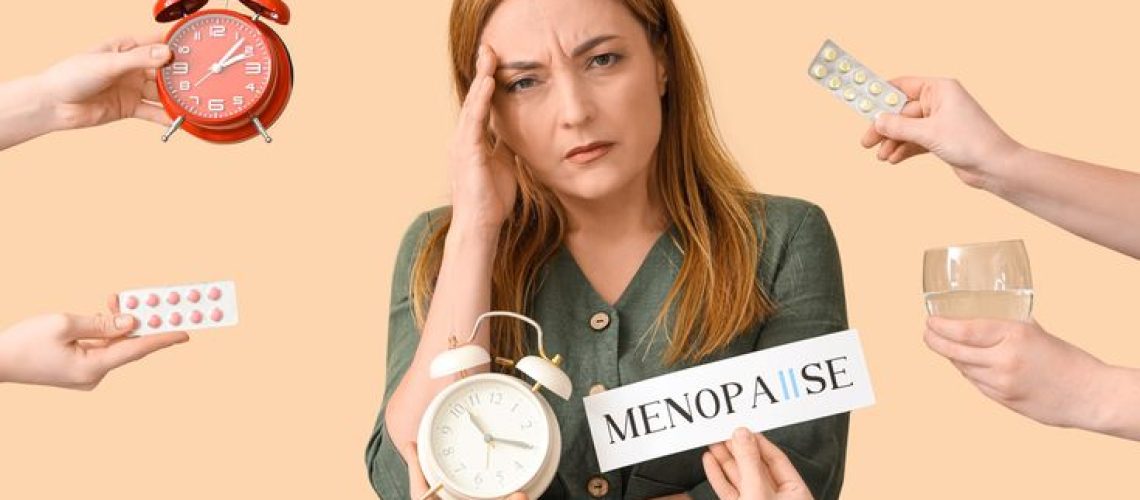
Hormones play a central role in regulating a woman’s body, influencing everything from mood and metabolism to reproductive health and energy levels. Understanding how hormones affect women’s overall health is essential for maintaining balance and preventing long-term health issues.
Hormones are chemical messengers produced by glands in the endocrine system. They travel through the bloodstream and control vital functions such as growth, metabolism, sleep, and reproduction. Even slight imbalances can significantly impact overall well-being.
The Key Hormones in Women’s Health
Several hormones are particularly important for women:
- Estrogen: Regulates the menstrual cycle and supports reproductive health
- Progesterone: Prepares the uterus for pregnancy and balances estrogen
- Testosterone: Contributes to energy, libido, and muscle strength
- Thyroid hormones: Control metabolism and energy levels
- Cortisol: Manages stress response
- Insulin: Regulates blood sugar levels
Each of these hormones must remain balanced for optimal health.
Hormonal Influence on the Menstrual Cycle
The menstrual cycle is one of the clearest examples of how hormones affect women’s overall health. Estrogen and progesterone rise and fall throughout the cycle, influencing physical and emotional changes.
Hormonal fluctuations can cause:
- Mood swings
- Bloating
- Fatigue
- Food cravings
When these hormones are imbalanced, conditions such as Polycystic Ovary Syndrome (PCOS) or irregular periods may occur.
Impact on Mental and Emotional Health
Hormones strongly influence mood and mental well-being. Changes in estrogen and progesterone levels can affect brain chemistry, particularly serotonin levels.
This can lead to:
- Anxiety
- Depression
- Irritability
- Difficulty concentrating
Many women experience emotional changes during premenstrual phases, pregnancy, or menopause due to hormonal shifts.
Hormones and Metabolism
Hormones play a major role in regulating metabolism and body weight. Thyroid hormones, insulin, and cortisol are especially important in this process.
An imbalance can result in:
- Weight gain or difficulty losing weight
- Fatigue and low energy
- Blood sugar fluctuations
Conditions like Hypothyroidism can slow metabolism, while insulin resistance may increase the risk of diabetes.
Reproductive Health and Fertility
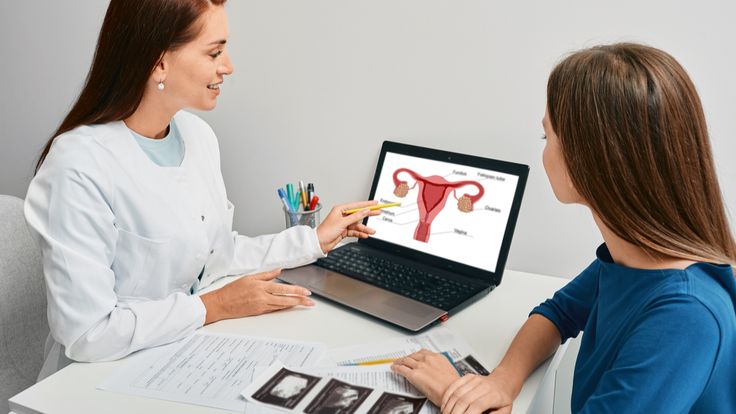
Hormones directly affect fertility and reproductive health. A delicate balance between estrogen, progesterone, and other hormones is necessary for ovulation and conception.
Hormonal imbalances can lead to:
- Irregular ovulation
- Infertility
- Miscarriage risks
Proper hormonal regulation is essential for a healthy pregnancy and reproductive function.
Hormonal Changes Across Life Stages
A woman’s hormonal profile changes significantly throughout her life:
Puberty
Hormones trigger the development of reproductive organs and secondary sexual characteristics.
Pregnancy
Hormonal levels rise to support fetal development and prepare the body for childbirth.
Menopause
A decline in estrogen leads to symptoms such as hot flashes, mood changes, and bone density loss.
These transitions highlight how hormones affect women’s overall health at every stage.
Skin, Hair, and Physical Appearance
Hormones also influence physical appearance. Changes in hormone levels can affect:
- Skin health (acne or dryness)
- Hair growth or hair loss
- Body composition
For example, increased androgens can lead to acne or excessive hair growth, while low estrogen may cause dry skin.
Hormones and Bone Health
Estrogen plays a crucial role in maintaining bone density. A drop in estrogen levels, especially during menopause, can increase the risk of Osteoporosis.
Maintaining hormonal balance is important for long-term bone strength and reducing fracture risk.
Maintaining Hormonal Balance
While hormonal fluctuations are natural, certain lifestyle choices can help maintain balance:
Healthy Diet
- Eat nutrient-rich foods
- Include healthy fats and proteins
- Limit processed foods and sugar
Regular Exercise
- Supports metabolism and hormone regulation
- Reduces stress levels
Stress Management
- Practice relaxation techniques such as yoga or meditation
- Maintain a healthy work-life balance
Adequate Sleep
- Helps regulate hormone production
- Improves overall well-being
Medical Support
Regular health checkups and hormone testing can help detect imbalances early and guide appropriate treatment.
When to Seek Medical Advice
It is important to consult a healthcare professional if you experience:
- Irregular or missed periods
- Persistent fatigue
- Unexplained weight changes
- Severe mood swings
- Difficulty conceiving
Early diagnosis and treatment can prevent complications and improve quality of life.
Dr. Shifa Al Ahmad is a highly experienced specialist in obstetrics and gynecology, with a dedicated focus on non-surgical feminine aesthetic treatments. With a patient-centered approach and advanced clinical expertise, she provides safe, modern, and effective solutions tailored to women at every stage of life. From addressing postpartum changes to supporting women through menopause, her treatments are designed to restore confidence, comfort, and intimate well-being. For those seeking professional guidance and personalized care, booking a consultation through her official website ensures a supportive and results-driven experience.
No comment yet, add your voice below!