
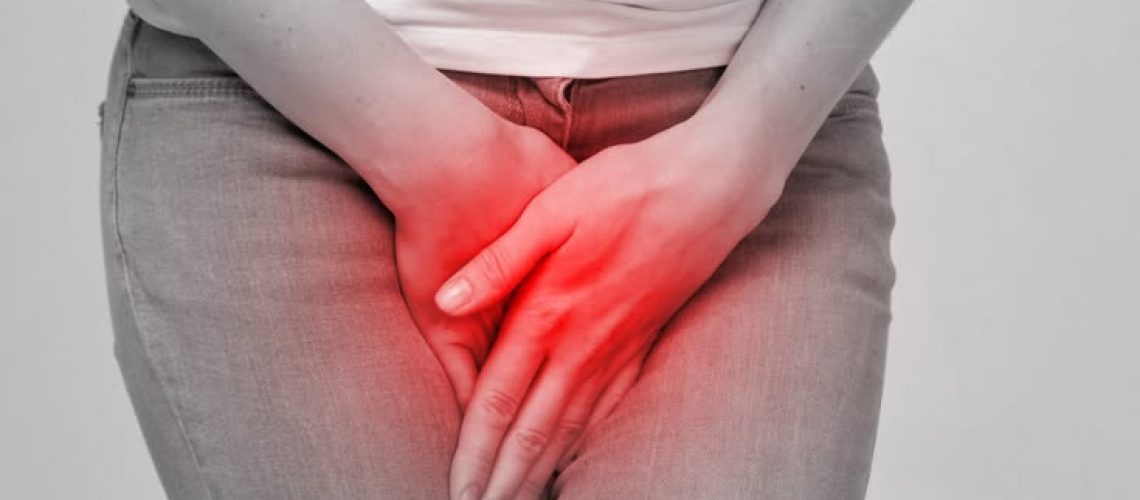
Good hygiene is one of the most effective ways to prevent infections and maintain overall health. Understanding hygiene habits that reduce infection risk helps protect the body from bacteria, viruses, and fungi that can cause illness. Simple daily practices can significantly lower the chances of developing common infections, especially in sensitive areas of the body.
Why Hygiene Matters
The human body is constantly exposed to microorganisms. While many are harmless, some can cause infections if they enter the body or multiply in the wrong conditions. Poor hygiene can increase the risk of skin infections, urinary tract infections, and reproductive health issues.
Maintaining proper hygiene helps:
- Prevent bacterial and fungal infections
- Support immune system function
- Improve personal comfort and confidence
- Reduce risk of spreading infections to others
Daily Personal Hygiene Habits
Regular Bathing
Bathing daily helps remove sweat, dirt, and bacteria from the skin. Using mild soap and clean water is enough to maintain cleanliness without irritating the skin.
Hand Hygiene
Washing hands is one of the simplest yet most powerful hygiene habits.
Wash hands:
- Before eating
- After using the restroom
- After touching public surfaces
Proper handwashing reduces the spread of infections significantly.
Oral Hygiene
Brushing twice daily and flossing helps prevent oral infections, gum disease, and bad breath. Oral health is closely linked to overall health.
Intimate Hygiene for Women
Intimate hygiene plays a crucial role in preventing infections in the reproductive area. The vaginal area has a natural balance of bacteria that must be protected.
Key Practices
- Clean the external area with mild, unscented soap and water
- Avoid douching or harsh chemical products
- Wear breathable cotton underwear
- Change underwear daily
Poor hygiene can increase the risk of conditions such as Urinary Tract Infection and other gynecological infections.
Menstrual Hygiene
Proper menstrual hygiene is essential to prevent infections during periods.
Best Practices
- Change sanitary pads or tampons every 4–6 hours
- Wash hands before and after changing products
- Use clean and safe menstrual products
- Maintain cleanliness of the genital area
Improper menstrual hygiene can increase the risk of bacterial infections and discomfort.
Clothing and Fabric Choices
What you wear can also affect your hygiene and infection risk.
Recommendations
- Choose cotton underwear for breathability
- Avoid tight-fitting clothes for long hours
- Change sweaty clothes after exercise
- Wash clothes with mild detergent and dry properly
Moist environments can encourage bacterial and fungal growth.
Food and Hydration Habits
Nutrition and hydration play a major role in supporting the immune system, which helps fight infections.
Healthy Habits
- Drink plenty of water daily
- Eat fresh fruits and vegetables
- Include probiotics like yogurt for gut health
- Avoid excessive sugar and processed foods
A strong immune system reduces the likelihood of infections.
Sexual Hygiene Practices
Safe and clean sexual practices are important for preventing infections.
Key Tips
- Practice safe sex using protection
- Maintain cleanliness before and after intercourse
- Avoid multiple unprotected partners
- Get regular health screenings
Sexually transmitted infections can often be prevented through responsible practices.
Bathroom Hygiene
To prevent infections, proper bathroom hygiene is essential.
Best Practices
- Always wipe from front to back after using the toilet
- Avoid sitting on unclean toilet seats in public places
- Flush properly after use
- Wash hands thoroughly afterward
These habits help prevent the spread of bacteria to sensitive areas.
Preventing Skin Infections
Skin infections can occur due to poor hygiene, excessive sweating, or contaminated surfaces.
Prevention Tips
- Keep skin clean and dry
- Treat cuts or wounds promptly
- Avoid sharing personal items like towels
- Use clean clothing and bedding
Maintaining skin hygiene reduces the risk of fungal and bacterial infections.
Strengthening Immunity Through Hygiene
A strong immune system works alongside good hygiene to protect the body from infections.
Healthy Lifestyle Habits
- Get enough sleep
- Exercise regularly
- Manage stress effectively
- Eat a balanced diet
These habits help the body fight infections more efficiently.
Importance of Regular Health Checkups
Even with good hygiene, regular medical checkups are important for early detection of infections and other health issues.
Routine checkups help identify conditions like Pelvic Inflammatory Disease before they become severe.
When to Seek Medical Attention
You should consult a healthcare professional if you experience:
- Unusual discharge or odor
- Persistent itching or irritation
- Pain during urination
- Fever or fatigue with infection symptoms
- Recurrent infections
Early treatment helps prevent complications.
Dr. Shifa Al Ahmad is a highly experienced specialist in obstetrics and gynecology, with a dedicated focus on non-surgical feminine aesthetic treatments. With a patient-centered approach and advanced clinical expertise, she provides safe, modern, and effective solutions tailored to women at every stage of life. From addressing postpartum changes to supporting women through menopause, her treatments are designed to restore confidence, comfort, and intimate well-being. For those seeking professional guidance and personalized care, booking a consultation through her official website ensures a supportive and results-driven experience.

No comment yet, add your voice below!