

Gynecological infections are a common health concern affecting women of all ages. Understanding common gynecological infections explained helps in early identification, timely treatment, and prevention of complications. These infections can affect the vagina, cervix, uterus, or surrounding reproductive organs and may be caused by bacteria, viruses, or fungi.
Maintaining good intimate health and awareness plays a key role in preventing these conditions and ensuring overall well-being.
What Are Gynecological Infections?
Gynecological infections refer to infections that affect the female reproductive system. They may range from mild to severe and can impact daily comfort, menstrual health, fertility, and sexual wellness.
Common types include:
- Bacterial infections
- Fungal infections
- Viral infections
- Parasitic infections
Early diagnosis is important because untreated infections may spread or lead to complications.
Common Types of Gynecological Infections
1. Bacterial Vaginosis
This is one of the most common vaginal infections caused by an imbalance of bacteria in the vagina.
Symptoms
- Thin gray or white discharge
- Fishy odor
- Mild itching or irritation
Causes
- Imbalance of natural vaginal bacteria
- Overuse of antibiotics
- Douching or poor hygiene practices
2. Yeast Infection
A fungal infection caused by the overgrowth of Candida yeast.
Symptoms
- Thick white discharge (like cottage cheese)
- Intense itching
- Redness and swelling
Causes
- Hormonal changes
- Antibiotic use
- Weak immune system
- High sugar levels
3. Urinary Tract Infection (UTI)
A common infection affecting the urinary system but often linked with gynecological health.
It is also known as Urinary Tract Infection.
Symptoms
- Burning sensation during urination
- Frequent urge to urinate
- Lower abdominal pain
Causes
- Bacterial entry into urinary tract
- Poor hygiene
- Dehydration
4. Sexually Transmitted Infections (STIs)
STIs are infections transmitted through sexual contact.
Common examples include chlamydia, gonorrhea, and HPV.
Symptoms
- Unusual vaginal discharge
- Pain during intercourse
- Pelvic discomfort
- Sometimes no symptoms at all
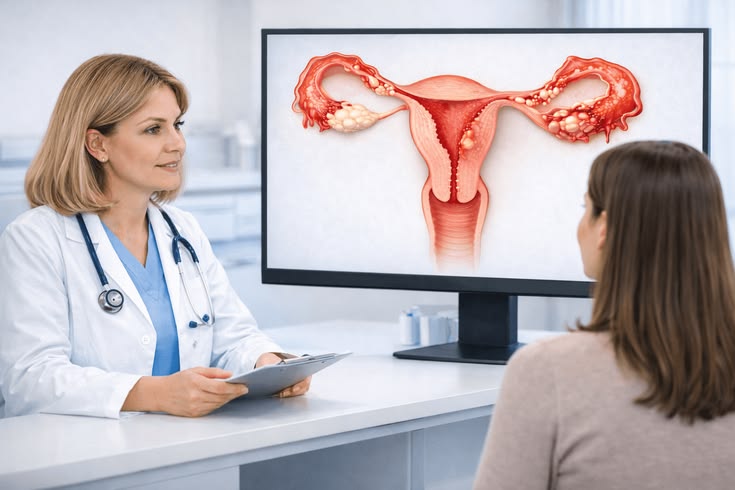
5. Pelvic Inflammatory Disease (PID)
A serious infection affecting the uterus, fallopian tubes, and ovaries.
It can result from untreated STIs.
Symptoms
- Lower abdominal pain
- Fever
- Irregular menstrual bleeding
- Pain during intercourse
If untreated, PID may affect fertility.
Causes of Gynecological Infections
Several factors can increase the risk of infections:
- Poor intimate hygiene
- Hormonal changes
- Unprotected sexual activity
- Weak immune system
- Excessive use of antibiotics
- Wearing tight or non-breathable clothing
Understanding these causes helps in prevention and early care.
Symptoms to Watch For
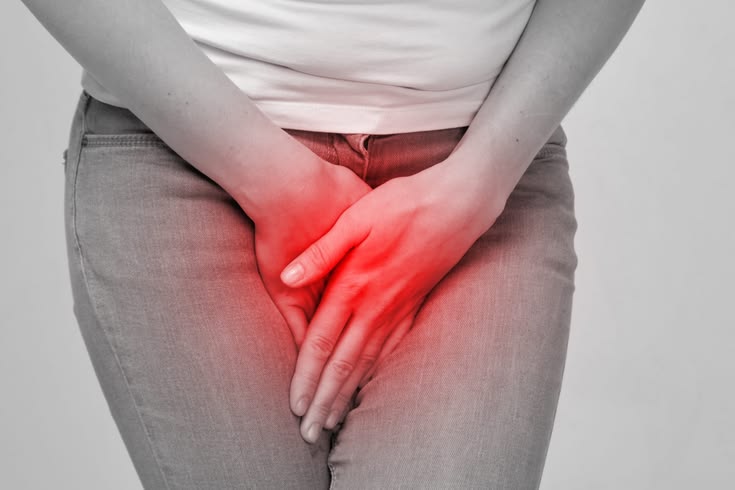
Women should pay attention to changes in their reproductive health. Common warning signs include:
- Unusual vaginal discharge
- Foul odor
- Itching or burning sensation
- Pain during urination or intercourse
- Pelvic discomfort
- Irregular bleeding
If these symptoms persist, medical evaluation is necessary.
Impact on Women’s Health
If left untreated, gynecological infections can lead to serious complications such as:
- Chronic pelvic pain
- Fertility issues
- Recurrent infections
- Spread of infection to reproductive organs
For example, untreated conditions like Pelvic Inflammatory Disease can affect long-term reproductive health.
Diagnosis and Medical Evaluation
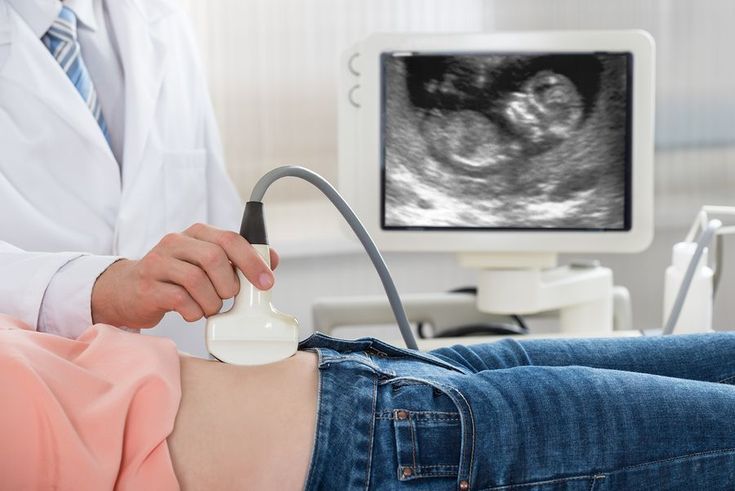
Doctors diagnose gynecological infections through:
- Physical examination
- Vaginal swabs and lab tests
- Urine tests
- Blood tests (if required)
Early diagnosis ensures effective treatment and prevents complications.
Treatment Options
Treatment depends on the type of infection:
Bacterial Infections
- Antibiotics prescribed by a doctor
Fungal Infections
- Antifungal creams or oral medications
Viral Infections
- Antiviral medications (for certain conditions)
- Long-term management in chronic cases
It is important to complete the full course of medication even if symptoms improve early.
Prevention Tips for Gynecological Infections
Preventing infections is easier than treating them. Key preventive measures include:
- Maintain proper intimate hygiene
- Wear breathable cotton underwear
- Avoid douching or harsh soaps
- Stay hydrated
- Practice safe sex using protection
- Maintain a balanced diet to support immunity
- Change sanitary products regularly during menstruation
Importance of Regular Gynecological Checkups
Routine gynecological checkups help in early detection and prevention of infections. Regular screening ensures that any abnormalities are treated before they become severe.
Conditions such as Cervical Infection can often be detected early through routine exams.
When to See a Doctor
You should consult a healthcare provider if you experience:
- Persistent itching or discharge
- Severe pelvic pain
- Fever with reproductive symptoms
- Recurrent infections
- Pain during urination or intercourse
Early medical attention ensures better outcomes and faster recovery.
Dr. Shifa Al Ahmad is a highly experienced specialist in obstetrics and gynecology, with a dedicated focus on non-surgical feminine aesthetic treatments. With a patient-centered approach and advanced clinical expertise, she provides safe, modern, and effective solutions tailored to women at every stage of life. From addressing postpartum changes to supporting women through menopause, her treatments are designed to restore confidence, comfort, and intimate well-being. For those seeking professional guidance and personalized care, booking a consultation through her official website ensures a supportive and results-driven experience.
No comment yet, add your voice below!