
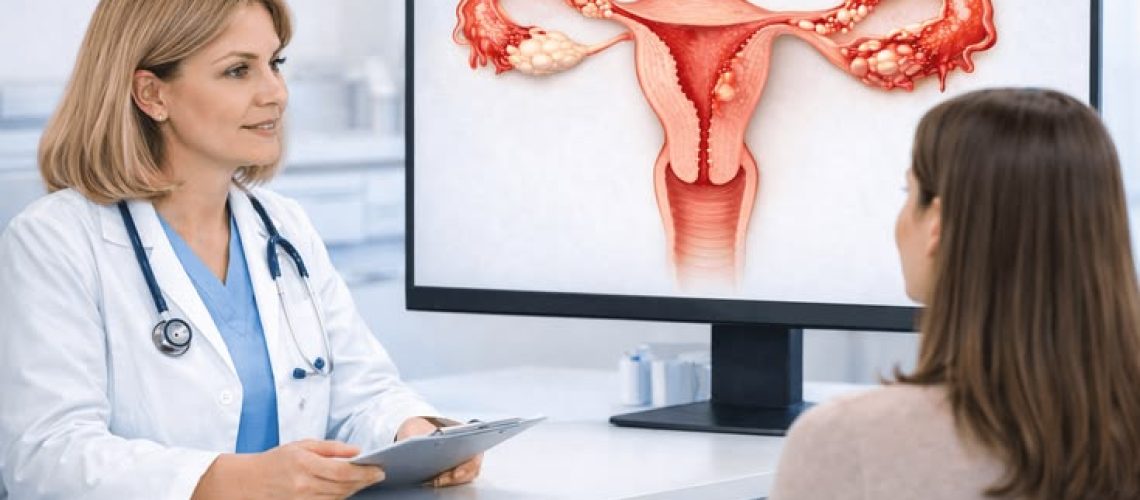
Women’s health is a crucial aspect of overall well-being, yet it is often overlooked until symptoms become severe. The importance of early diagnosis in women’s health cannot be overstated, as it plays a vital role in preventing complications, ensuring timely treatment, and improving long-term outcomes. Early detection of health issues empowers women to take control of their health, reduce risks, and maintain a better quality of life.
Understanding Early Diagnosis in Women’s Health
Early diagnosis refers to identifying a disease or health condition at its initial stage, often before noticeable symptoms appear. In women’s health, this includes routine screenings, regular checkups, and awareness of subtle physical or hormonal changes. Many serious conditions such as breast cancer, cervical cancer, osteoporosis, and reproductive health disorders develop silently, making early detection essential.
When diseases are identified early, treatment is often simpler, less invasive, and more effective. This reduces both physical and emotional stress while improving survival rates and recovery times.
Why Early Diagnosis Matters
The importance of early diagnosis in women’s health lies in its ability to prevent minor issues from becoming major health concerns. Early detection can significantly reduce the risk of complications and allows healthcare providers to implement preventive measures before the condition worsens.
One of the key advantages is improved treatment success. Conditions diagnosed at an early stage are more likely to respond positively to treatment. For example, early-stage cancers often require less aggressive therapies compared to advanced stages.
Another critical factor is cost-effectiveness. Treating a condition early is generally less expensive than managing advanced diseases that require complex procedures or long-term care.
Common Conditions That Benefit from Early Diagnosis
Several health conditions specifically affect women and highlight the importance of early detection:
Breast Health Issues
Regular screenings and self-examinations can help detect abnormalities early. Early diagnosis significantly increases survival rates and reduces the need for extensive treatments.
Cervical Health Concerns
Routine screenings can identify precancerous changes, allowing timely intervention before they develop into cancer.
Reproductive Health Disorders
Conditions such as polycystic ovary syndrome (PCOS), endometriosis, and fibroids often go undiagnosed for years. Early detection helps manage symptoms effectively and prevents complications like infertility.
Osteoporosis
Bone density loss often occurs silently. Early diagnosis helps in taking preventive steps to avoid fractures and maintain bone health.
Hormonal Imbalances
Hormonal issues can impact metabolism, mood, fertility, and overall well-being. Early identification ensures proper management and lifestyle adjustments.
The Role of Regular Screenings
Routine health screenings are a cornerstone of early diagnosis. Women should prioritize regular medical checkups based on age, family history, and lifestyle factors. These screenings may include:
- Breast examinations and imaging tests
- Cervical screening tests
- Blood tests for hormonal and metabolic health
- Bone density scans
- General physical examinations
Regular screenings help identify potential risks even before symptoms appear, making them essential for preventive healthcare.
Recognizing Early Warning Signs
While screenings are important, being aware of early warning signs is equally crucial. Women should pay attention to unusual symptoms such as:
- Persistent fatigue
- Irregular menstrual cycles
- Unexplained weight changes
- Pelvic pain or discomfort
- Changes in skin, hair, or nails
Ignoring these signs can delay diagnosis and lead to more serious complications. Prompt medical consultation is always recommended when abnormalities are noticed.
Impact on Mental and Emotional Well-Being
The importance of early diagnosis in women’s health extends beyond physical health. Delayed diagnosis often leads to anxiety, stress, and emotional distress. On the other hand, early detection provides clarity, reassurance, and a sense of control.
Knowing that a condition has been identified early allows women to make informed decisions about treatment and lifestyle changes. This proactive approach significantly improves mental well-being and reduces fear associated with uncertainty.
Preventive Healthcare and Lifestyle Choices
Early diagnosis goes hand in hand with preventive healthcare. Women can reduce health risks by adopting healthy lifestyle habits such as:
- Maintaining a balanced diet
- Engaging in regular physical activity
- Managing stress effectively
- Avoiding harmful habits
- Getting adequate sleep
These practices not only support early detection but also enhance overall health and resilience against diseases.
Importance Across Different Life Stages
Women’s health needs change throughout different stages of life, making early diagnosis important at every age.
Adolescence and Early Adulthood
Focus on menstrual health, hormonal balance, and reproductive education.
Reproductive Years
Regular screenings and monitoring reproductive health become essential.
Midlife and Menopause
Hormonal changes, bone health, and chronic disease risks require close attention.
Older Age
Preventive care and early detection of age-related conditions help maintain independence and quality of life.
Breaking Barriers to Early Diagnosis
Despite its importance, many women delay medical consultations due to fear, lack of awareness, or busy lifestyles. Addressing these barriers is essential for improving health outcomes.
Education and awareness campaigns play a key role in encouraging women to prioritize their health. Access to healthcare services and supportive environments also contribute to timely diagnosis.
Dr. Shifa Al Ahmad is a highly experienced specialist in obstetrics and gynecology, with a dedicated focus on non-surgical feminine aesthetic treatments. With a patient-centered approach and advanced clinical expertise, she provides safe, modern, and effective solutions tailored to women at every stage of life. From addressing postpartum changes to supporting women through menopause, her treatments are designed to restore confidence, comfort, and intimate well-being. For those seeking professional guidance and personalized care, booking a consultation through her official website ensures a supportive and results-driven experience.
No comment yet, add your voice below!