The first trimester is an exciting and transformative phase of pregnancy, typically lasting from week 1 to week 12. It is a time of rapid development for the baby and significant physical and emotional changes for the mother. Understanding what to expect during your first trimester can help you feel more prepared, confident, and supported throughout this important stage.
Early Changes in Your Body
During the first trimester, your body begins adapting to support the growing baby. Hormonal changes play a major role, particularly the increase in estrogen and progesterone. These hormones help maintain the pregnancy but can also cause noticeable symptoms.
Many women experience fatigue as the body works harder to support fetal development. You may feel more tired than usual, even with adequate rest. Breast tenderness, frequent urination, and mild cramping are also common early signs of pregnancy.
Common First Trimester Symptoms
The first trimester is often associated with a variety of symptoms that vary from woman to woman. Some of the most common include:
Morning sickness, which can occur at any time of the day, is one of the most well-known symptoms. Nausea and occasional vomiting are typically caused by hormonal changes.
Food aversions and cravings may develop, making certain smells or tastes more noticeable or unpleasant. Mood swings are also common due to fluctuating hormones.
Other symptoms may include bloating, constipation, headaches, and increased sensitivity to smells. While these symptoms can be uncomfortable, they are usually a normal part of early pregnancy.
Baby’s Development in the First Trimester
The first trimester is a critical period for fetal development. During these early weeks, the fertilized egg implants in the uterus and begins forming essential structures.
By week 6, the baby’s heart starts beating, and basic organs begin to develop. As the weeks progress, the brain, spinal cord, and major body systems continue to form.
By the end of the first trimester, the baby has developed into a fetus with recognizable features such as arms, legs, fingers, and toes. Although still very small, most major organs are in place and will continue to grow and mature in the coming months.
Importance of Prenatal Care
Seeking early prenatal care is essential during the first trimester. Your healthcare provider will confirm the pregnancy, estimate the due date, and monitor your overall health.
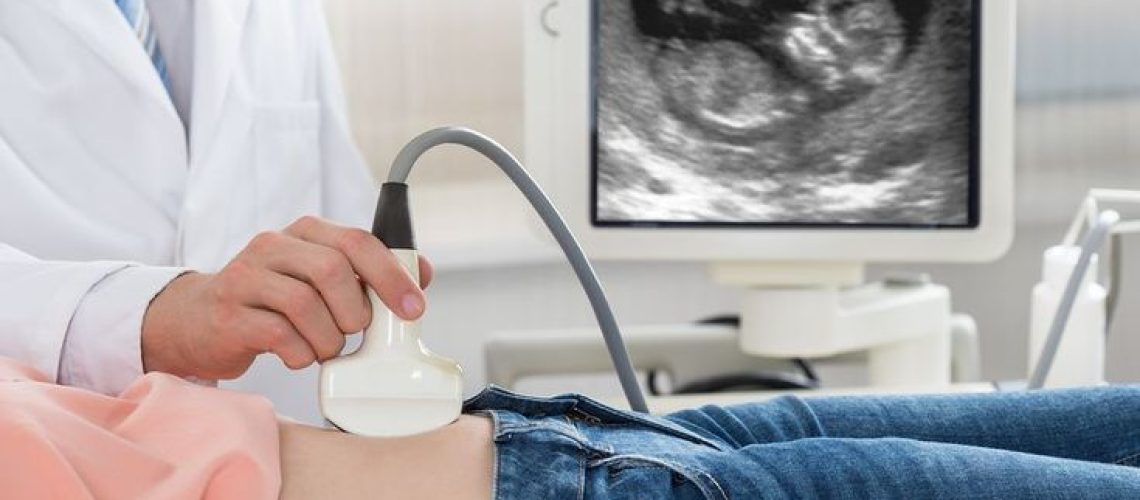
Initial checkups often include blood tests, urine tests, and sometimes an ultrasound. These tests help identify any potential risks and ensure that both mother and baby are progressing well.
Regular prenatal visits also provide an opportunity to discuss any concerns, symptoms, or lifestyle adjustments needed during pregnancy.
Nutrition and Diet
A balanced and nutritious diet is vital during the first trimester. Proper nutrition supports the baby’s development and helps manage pregnancy symptoms.
Folic acid is particularly important, as it helps prevent neural tube defects. Iron, calcium, and protein are also essential nutrients that contribute to the baby’s growth.
It is advisable to eat small, frequent meals to manage nausea and maintain energy levels. Staying hydrated is equally important for overall health.
Lifestyle Adjustments
During the first trimester, certain lifestyle changes can help promote a healthy pregnancy. Avoiding harmful substances such as alcohol, smoking, and excessive caffeine is crucial.
Light to moderate exercise, as recommended by a healthcare provider, can improve circulation, boost mood, and reduce fatigue. Adequate rest and stress management are also important for both physical and emotional well-being.
Emotional and Mental Changes
Pregnancy brings not only physical changes but also emotional ones. It is normal to feel a mix of excitement, anxiety, and uncertainty during the first trimester.
Hormonal fluctuations can affect mood, leading to irritability or heightened emotions. Having a strong support system and open communication with loved ones can make this phase easier to navigate.
If feelings of stress or anxiety become overwhelming, seeking professional guidance can be beneficial.
When to Seek Medical Advice
While most first trimester symptoms are normal, certain signs require medical attention. Severe abdominal pain, heavy bleeding, persistent vomiting, or high fever should not be ignored.
Early intervention can help prevent complications and ensure the safety of both mother and baby.
Tips for a Healthy First Trimester
Maintaining a healthy routine can make a significant difference during this stage. Focus on getting enough rest, eating nutritious foods, and attending all prenatal appointments.
Listening to your body is important. If you feel tired, take time to rest. If something doesn’t feel right, consult your healthcare provider promptly.
Dr. Shifa Al Ahmad is a highly experienced specialist in obstetrics and gynecology, with a dedicated focus on non-surgical feminine aesthetic treatments. With a patient-centered approach and advanced clinical expertise, she provides safe, modern, and effective solutions tailored to women at every stage of life. From addressing postpartum changes to supporting women through menopause, her treatments are designed to restore confidence, comfort, and intimate well-being. For those seeking professional guidance and personalized care, booking a consultation through her official website ensures a supportive and results-driven experience.

No comment yet, add your voice below!