

Female sexual health is an essential part of overall well-being, yet it is often overlooked or misunderstood. Understanding female sexual health involves recognizing the physical, emotional, hormonal, and psychological factors that influence a woman’s sexual wellness throughout different stages of life.
Good sexual health is not only about the absence of disease—it also includes comfort, confidence, satisfaction, and the ability to make informed decisions about one’s body.
What Is Female Sexual Health?
Female sexual health refers to the proper functioning of the reproductive system, healthy sexual desire, and emotional comfort related to intimacy. It includes:
- Physical reproductive health
- Hormonal balance
- Emotional well-being
- Safe and consensual sexual experiences
- Absence of pain or discomfort during intimacy
Sexual health is closely connected to overall health, meaning issues in one area can affect others.
Hormonal Influence on Sexual Health
Hormones play a major role in regulating sexual desire, lubrication, and reproductive function. Estrogen, progesterone, and testosterone all contribute to sexual well-being.
Changes in hormone levels can affect:
- Libido (sexual desire)
- Vaginal lubrication
- Mood and emotional response
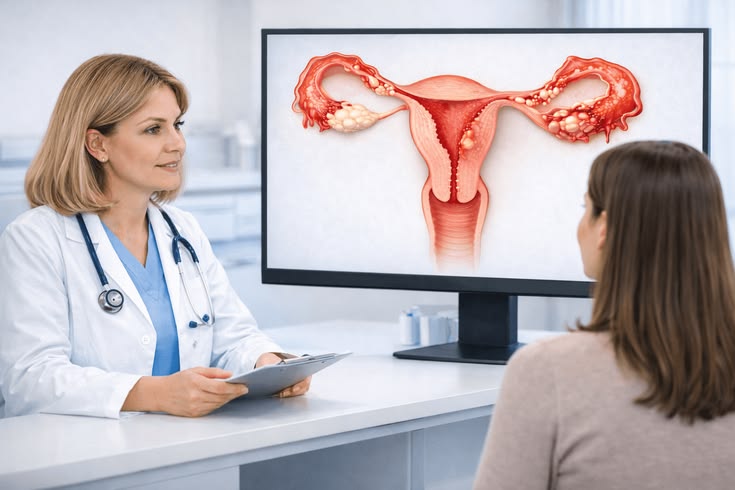
Conditions such as Polycystic Ovary Syndrome (PCOS) or menopause can lead to hormonal imbalance, impacting sexual health and comfort.
Common Female Sexual Health Concerns
Women may experience a range of sexual health issues at different stages of life.
Low Libido
A reduced interest in sexual activity can be caused by stress, hormonal changes, or emotional factors.
Pain During Intercourse
Painful intercourse, known as dyspareunia, may result from infections, dryness, or medical conditions.
Vaginal Dryness
Often linked to hormonal changes, especially during breastfeeding or menopause.
Infections
Infections can affect comfort and sexual function if not treated early.
One common condition affecting reproductive organs is Endometriosis, which can cause pelvic pain and discomfort during intimacy.
Emotional and Psychological Factors
Sexual health is not only physical—it is deeply connected to emotional well-being. Stress, anxiety, depression, and relationship issues can all impact sexual desire and satisfaction.
Emotional factors may include:
- Body image concerns
- Relationship stress
- Past trauma
- Mental health conditions
Maintaining emotional balance is essential for a healthy sexual life.
Reproductive Health and Sexual Wellness
Reproductive health is closely linked to sexual health. Conditions affecting the reproductive system can influence sexual comfort and function.
For example, Uterine Fibroids may cause pain, pressure, or discomfort during intimacy in some women.
Regular gynecological checkups help detect and manage such conditions early.
Sexual Health Across Different Life Stages
Female sexual health changes throughout life due to hormonal shifts and life experiences.
Adolescence
- Learning about body changes
- Understanding menstrual health
- Developing awareness of sexual education
Reproductive Age
- Active sexual and reproductive health
- Fertility awareness and contraception use
- Hormonal balance maintenance
Pregnancy and Postpartum
- Changes in libido and comfort
- Emotional and physical adjustments
- Postpartum recovery affecting sexual function
Menopause
- Reduced estrogen levels
- Vaginal dryness and discomfort
- Changes in libido
Each stage requires different care and awareness.
Importance of Communication and Education
Open communication is a key part of sexual health. Women should feel comfortable discussing concerns with healthcare providers or partners.
Education helps:
- Reduce stigma around sexual health
- Improve awareness of normal body changes
- Encourage early treatment of issues
Lack of information often leads to delayed diagnosis and unnecessary discomfort.
Maintaining Healthy Sexual Wellness
Healthy sexual wellness involves both physical and emotional care.
Healthy Habits
- Maintain good hygiene
- Stay physically active
- Eat a balanced diet
- Manage stress effectively
- Get enough sleep
Medical Care
- Regular gynecological checkups
- Screening for infections
- Hormonal evaluations when needed
Conditions like Urinary Tract Infection can affect comfort and should be treated promptly.
When to Seek Medical Help
It is important to consult a healthcare professional if you experience:
- Persistent pain during intercourse
- Sudden changes in libido
- Unusual discharge or odor
- Irregular menstrual cycles
- Ongoing discomfort or dryness
Early diagnosis can help manage symptoms effectively and improve quality of life.
Breaking the Stigma Around Sexual Health
In many societies, sexual health is not openly discussed, leading to misinformation and hesitation in seeking care. Breaking this stigma is important for empowering women to take control of their health.
Encouraging open conversations helps:
- Improve awareness
- Promote early treatment
- Support emotional well-being
Dr. Shifa Al Ahmad is a highly experienced specialist in obstetrics and gynecology, with a dedicated focus on non-surgical feminine aesthetic treatments. With a patient-centered approach and advanced clinical expertise, she provides safe, modern, and effective solutions tailored to women at every stage of life. From addressing postpartum changes to supporting women through menopause, her treatments are designed to restore confidence, comfort, and intimate well-being. For those seeking professional guidance and personalized care, booking a consultation through her official website ensures a supportive and results-driven experience.
No comment yet, add your voice below!